
Indigenous Healing Practice
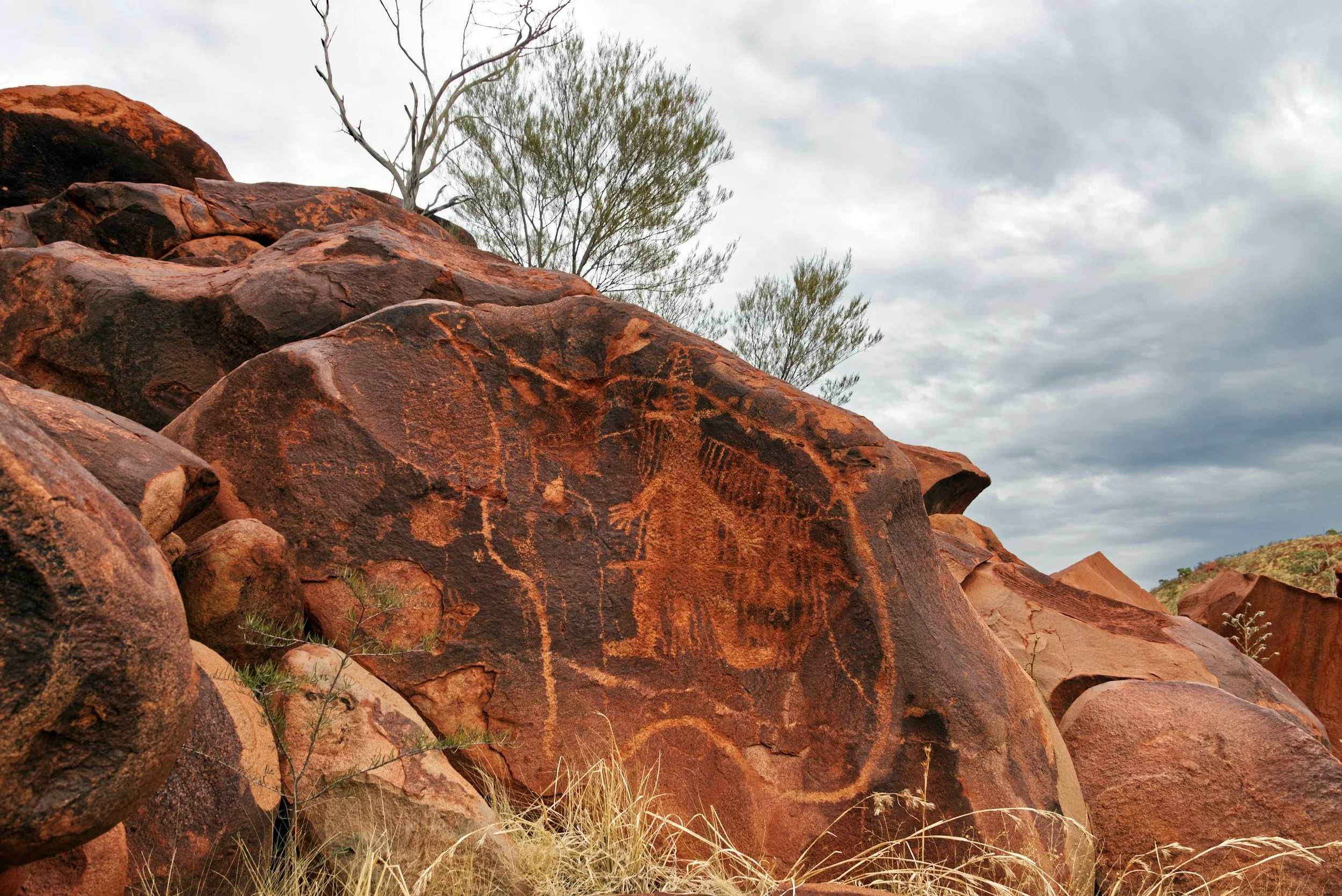
Indigenous Healing Practice, as a form of counselling, differs fundamentally from Western models by recognising that trauma and distress are not merely individual psychological injuries. It is grounded in the belief that healing must address the spiritual, collective, cultural, and systemic aspects of distress, rather than viewing trauma solely as an individual psychological injury.
Indigenous Healing Practice: A Holistic Approach
Core Principles of Indigenous Healing
The approach is fundamentally relational and connected to the land and community:
Trauma Framework: Trauma is understood as the disruption of relationships to self, community, Ancestors, and Country. It acknowledges the impact of ongoing historical, political, and intergenerational experiences.
Healing Approach: The approach is holistic, involving connection to culture, ceremony, community, deep listening (Dadirri—thinking, feeling, listening strongly), and Country.
Role of Culture: Culture is considered central to understanding, addressing, and healing trauma.
Healing is Reciprocal: Healing is not a one-way process; both the person holding the space and the person "receiving" the healing are changed through mutual exchange of knowledge, stories, and practices.
Outcome: The goal is reconnection with identity, cultural strength, community, and Country, rather than merely reducing symptoms or improving function.
The Centrality of Country
Connection to Country is integral to the healing process.
Country as Healer: Country is seen as a living Ancestor, healer, and teacher.
Restoring Balance: Healing happens through time spent on land, waterways, and under the sky, as Country works to restore balance—mental, physical, spiritual, and cultural.
Decolonisation and Healing
The practice aligns with stages of decolonisation, which is seen as crucial for the healing process:
Rediscovery and Recovery: Reconnecting with history, traditional practices, languages, and kin to renew a sense of identity.
Mourning: Allowing feelings of anger and injustice to be expressed so healing can begin.
Healing and Forgiveness: A central phase involving self-care, reflection, and cultural and spiritual renewal to regain strength.
Commitment and Action: Moving proactively toward strengthening and revaluing philosophy and knowledge.
Indigenous healing practices create culturally safe spaces that honour identity, story, and lived experience, and emphasise empowerment through collective care and responsibility.
Why Clients Seek Indigenous Healing Practice
People seek this specialised form of counselling when they recognise their wellbeing is disrupted by systemic and cultural factors, and they desire healing rooted in a First Nations framework.
1. Healing Collective and Intergenerational Trauma
Clients seek support because their distress is tied to ongoing historical, political, and intergenerational experiences, rather than just isolated personal events.
Addressing Systemic Disruption: They seek to heal the disruption of relationships to self, community, Ancestors, and country , which a Western model focused on "personal dysfunction or diagnosis" often cannot address.
Reclaiming Identity: The goal is to move toward reconnection with identity and cultural strength, which is a central phase of decolonisation.
2. Seeking Cultural and Spiritual Connection
For many, healing requires incorporating elements rarely acknowledged or considered in Western models, where culture is often viewed as a secondary influence.
Connection to Country as Medicine: Clients come to engage in healing practices grounded in Connection to country. Country is a living Ancestor, healer, and teacher, capable of restoring mental, physical, spiritual, and cultural balance.
Spiritual Renewal: Seeking connection to Ancestors, Dreaming, Lore, and Spirit as an integral part of their wellbeing.
Engaging in Cultural Practices: Participating in small acts of grounding or community connection , such as yarning , sharing a food , or ceremony, as part of a therapeutic process.
3. Embracing Holistic Wellbeing
Clients are looking for a comprehensive approach that honours their whole being.
Holistic Healing: They seek a process that integrates connection to culture, community, deep listening, and Country —practices led with/by community.
Reciprocal and Empowering Care: Clients appreciate that the practice involves reciprocity, where both parties are changed, fostering empowerment through collective care and responsibility.
Moving Towards Action: The goal is to move beyond mere survival or reactive action to challenge injustices, toward positive action and a commitment to a new direction that strengthens philosophy and knowledge (the Dreaming and Action phases of decolonisation).